Two jobs with confusingly similar names
New owners book the wrong one all the time, and it is not their fault. People use "fireplace cleaning" and "chimney sweep" as if they meant the same thing. They do not. One works on the part of the fireplace that sits in your living room. The other works on the dark passage above it, which you will probably never see with your own eyes.
This post sets the two side by side, so you can tell which one your house in Buena Park actually needs, and what each one costs with Ferris Chimney Care.
The room side: what a fireplace cleaning covers
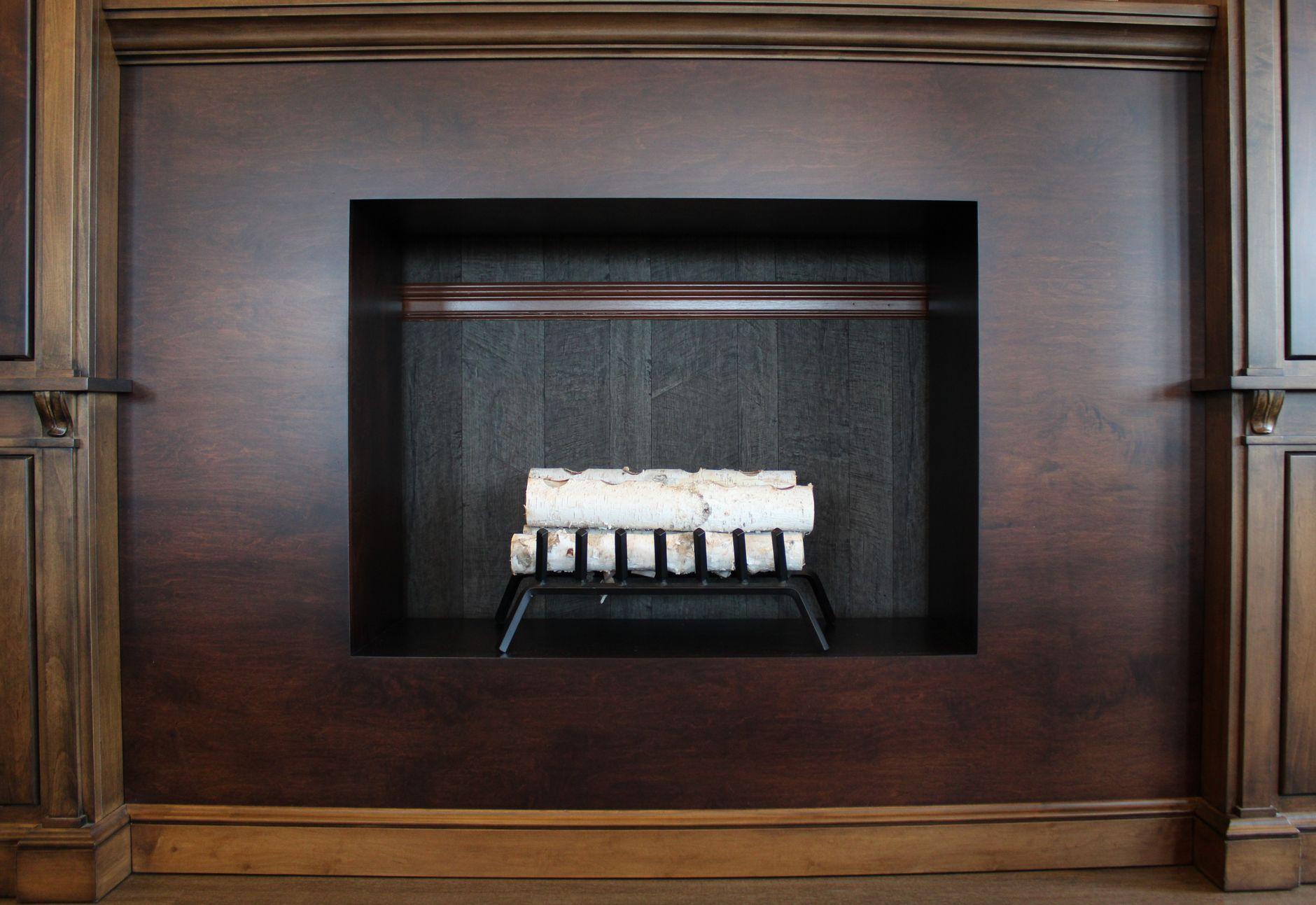
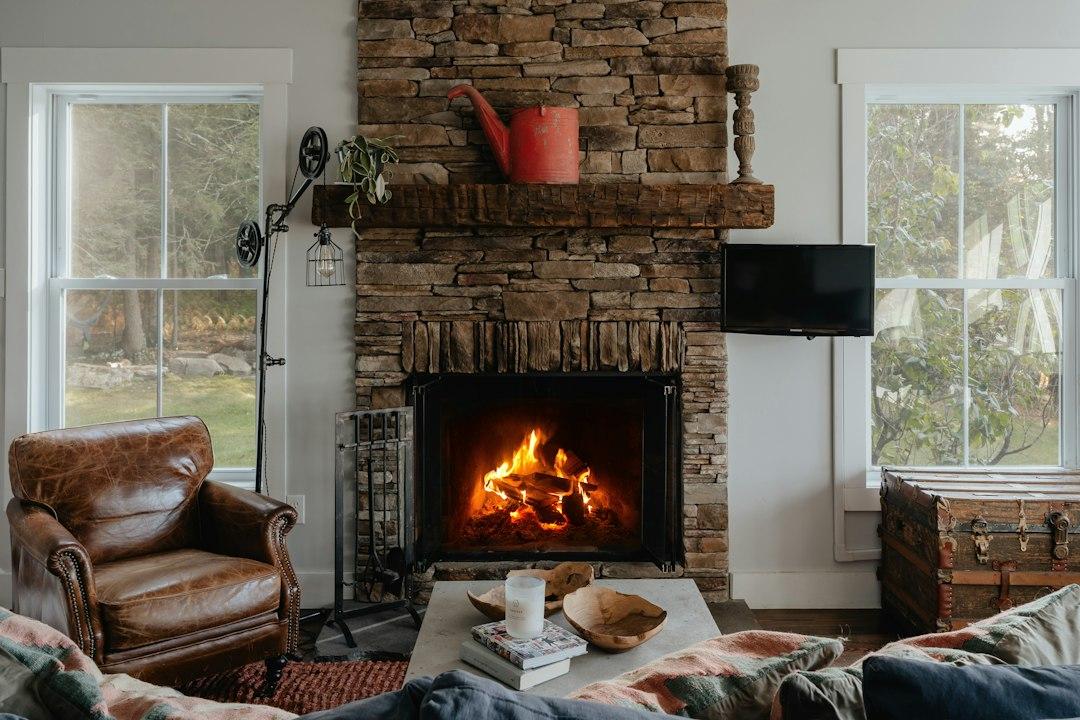
Think of everything below the damper (the metal plate that opens and shuts the way up). That is the room side, and it is what a fireplace cleaning deals with.
- The firebox, the space that holds the fire. Old ash comes out, and the walls and floor are brushed down.
- Glass doors, if you have them. Smoke leaves a grey or white haze on the inside of the glass. We lift it off both faces without scratching, and we run a finger along the fiber seal around each pane to find gaps.
- The face around the opening, which might be brick, stone, tile or plaster. Soot stains above the opening are treated with a cleaner suited to that surface.
- The grate and screen, brushed off and set back in place.
For a gas fireplace, the room side is a different list: dust and pet hair around the burner, a pilot flame (the small flame that lights the main burner) that needs to burn steady and blue, a log set that must sit in the exact spots the maker drew, and a film on the glass that builds up even though there is no ash.
The hidden side: what a chimney sweep covers
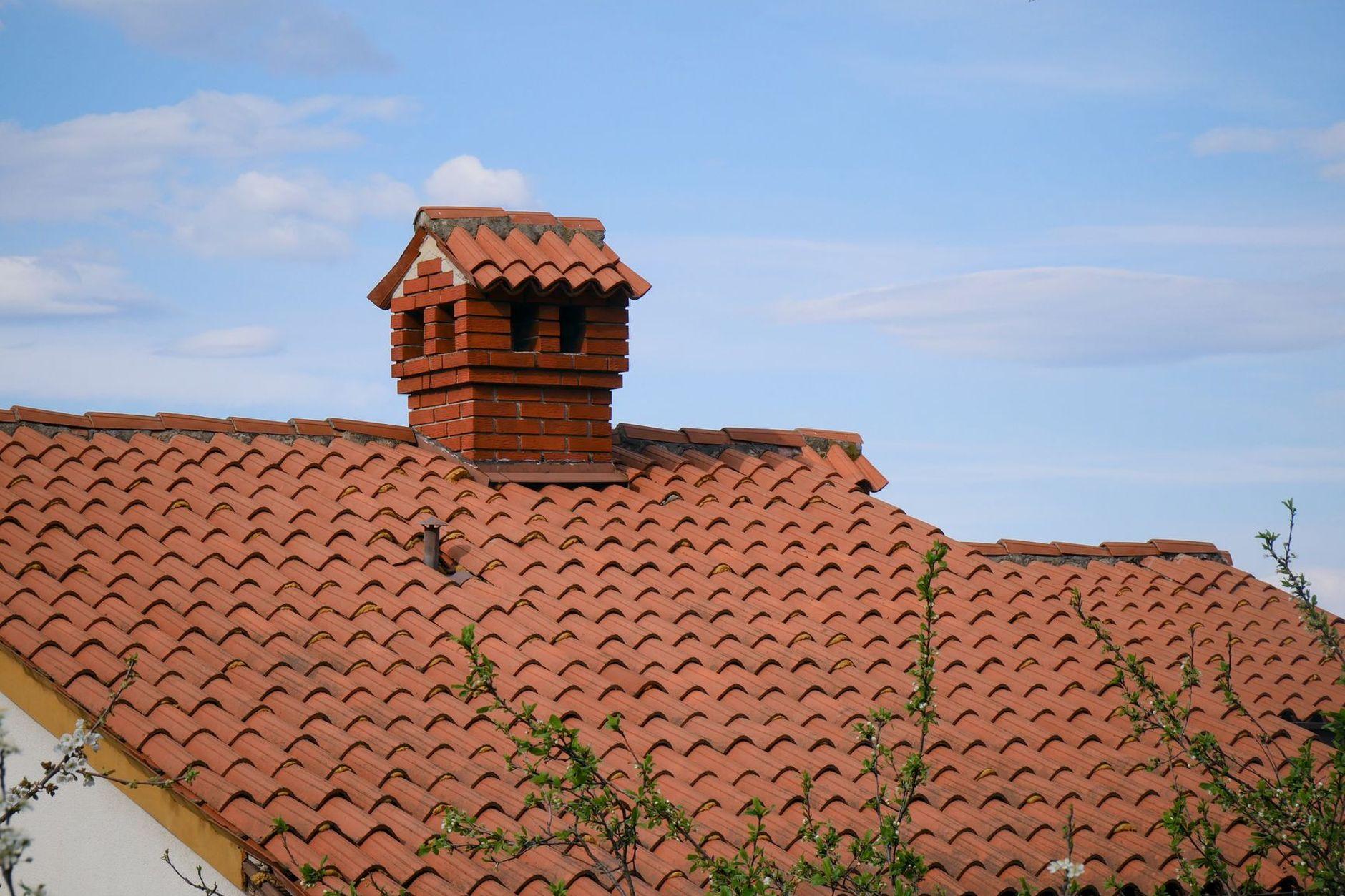
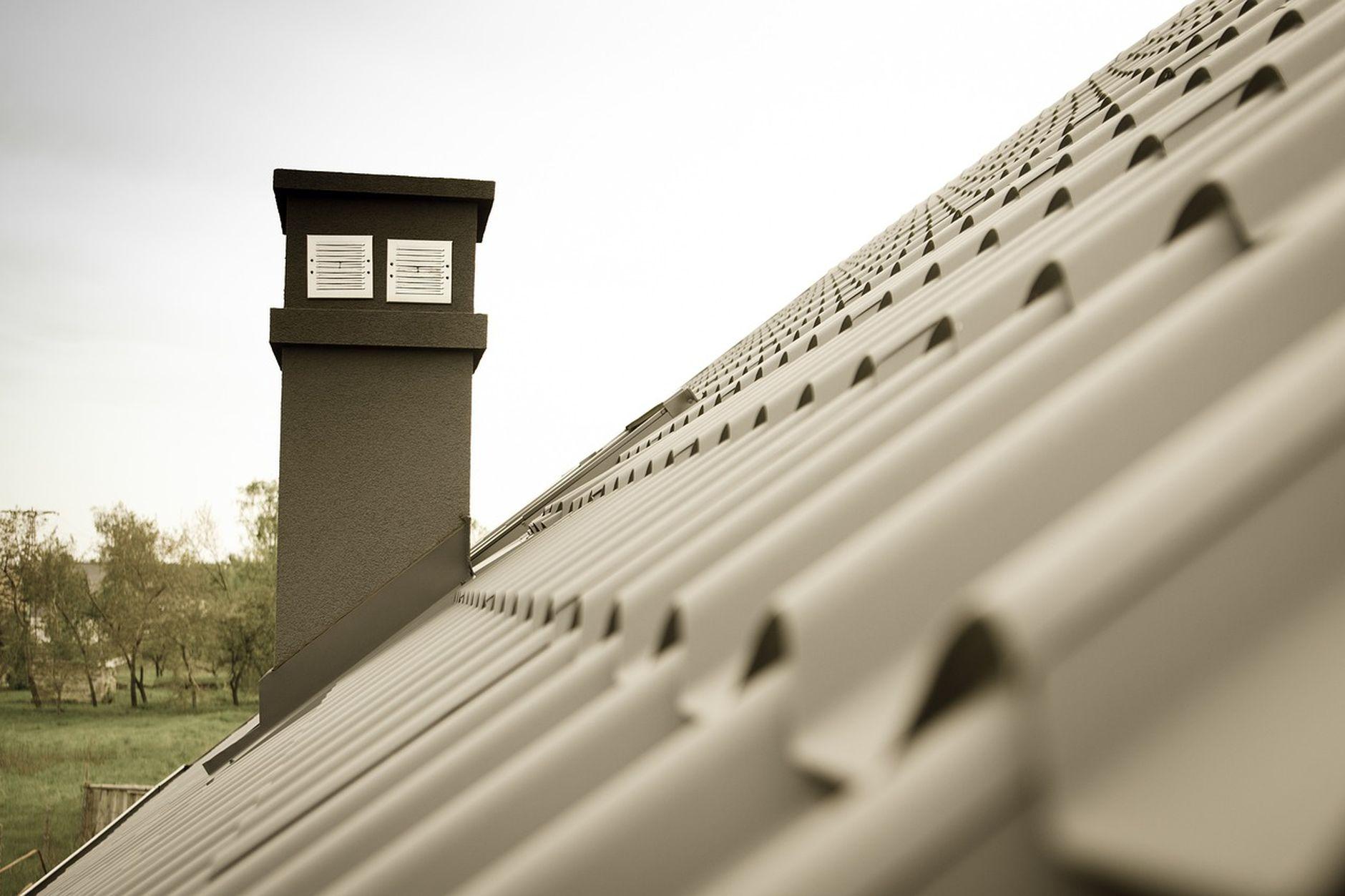
Above the damper is the flue, the tall channel that carries smoke out of the house. Every wood fire coats its walls with creosote, a black residue that starts out flaky and can harden into a shiny crust. Creosote burns. A thick layer of it is how chimney fires start.
A sweep brushes the flue from bottom to top with brushes sized to it, while a vacuum with a fine filter runs at the firebox so the dust stays out of your room. Along the way we clear out leaves, twigs and any old nest, and we look at the damper, the smoke chamber and the cap. You see photos of what came out and what the flue looks like now.
Side by side
| Fireplace cleaning | Chimney sweep | |
|---|---|---|
| Where we work | In the room, below the damper | From the damper up to the cap |
| What comes out | Ash, soot film, surface stains | Creosote, nests, fallen debris |
| Who needs it most | Gas fireplaces, light wood use | Anyone who burns wood most winters |
| Our price | Set once we know the fuel and the finish | from $415 |
Signs the sweep is due
- A smell like a cold campfire or warm asphalt in the room on hot afternoons
- Black flakes on the grate or the hearth that were not there before
- Smoke curling into the room even with the damper fully open
- You burned wood most weekends last winter
- Nobody can tell you when the flue was last brushed
Signs the room-side cleaning is enough
- The fireplace only ever burns gas
- The glass is hazy but the flame looks normal
- Wood was lit once or twice all season, and a recent sweep is on record
What decides which visit you book
Four things settle it: what the fireplace burns, how often it was used, when the flue was last swept, and how many flues the chimney holds. For the sweep, the price starts from $415, and heavy creosote or a second flue add to it; you hear the figure before we touch a brush. For a room-side cleaning, we set the price once we know the fuel and the state of the glass and the stone around the opening. Put those details in the form and we will say which visit fits.
Tell us what your fireplace burns
Booking both on one trip
Most wood-burning households in Buena Park, Fullerton and Tustin end up booking them together. It is one set of drop cloths, one vacuum, one afternoon. The sweep goes first, because brushing the flue knocks soot down into the firebox; the room-side cleaning follows, so you are left with a clean box and clean glass at the same time. If the house is new to you, adding a fireplace inspection to the same visit means you learn the whole system in one go. Our post on first inspection costs explains the two levels.
Gas fireplaces get their own visit
Gas units do not build up creosote, but they are not care-free. Dust in the burner ports can make the flame tips turn orange and smoky. A pilot that keeps going out often points to a dirty or worn sensor. Logs nudged out of place can throw soot onto the glass. Our gas fireplace cleaning covers the burner, pilot, logs and glass, and we check the air in the room for carbon monoxide (the odorless gas that incomplete burning gives off) before we leave.
What neither visit includes
Neither job is a repair. If we see a cracked firebrick, a damper that will not close, or a cap rusted through, we photograph it, explain it in plain words and give you a separate written price. Nothing extra happens unless you agree to it.
Ready to choose a date? Our contact page takes a minute. Say whether the fireplace burns wood or gas and roughly how often you used it last winter.
See These Parts on Your Own Chimney
Ferris Chimney Care can point out the damper, flue and cap in your house as we work, using the same everyday words. Visits start from Buena Park and reach Fullerton, La Mirada, Tustin and the towns around them.