The first winter surprise in a new house
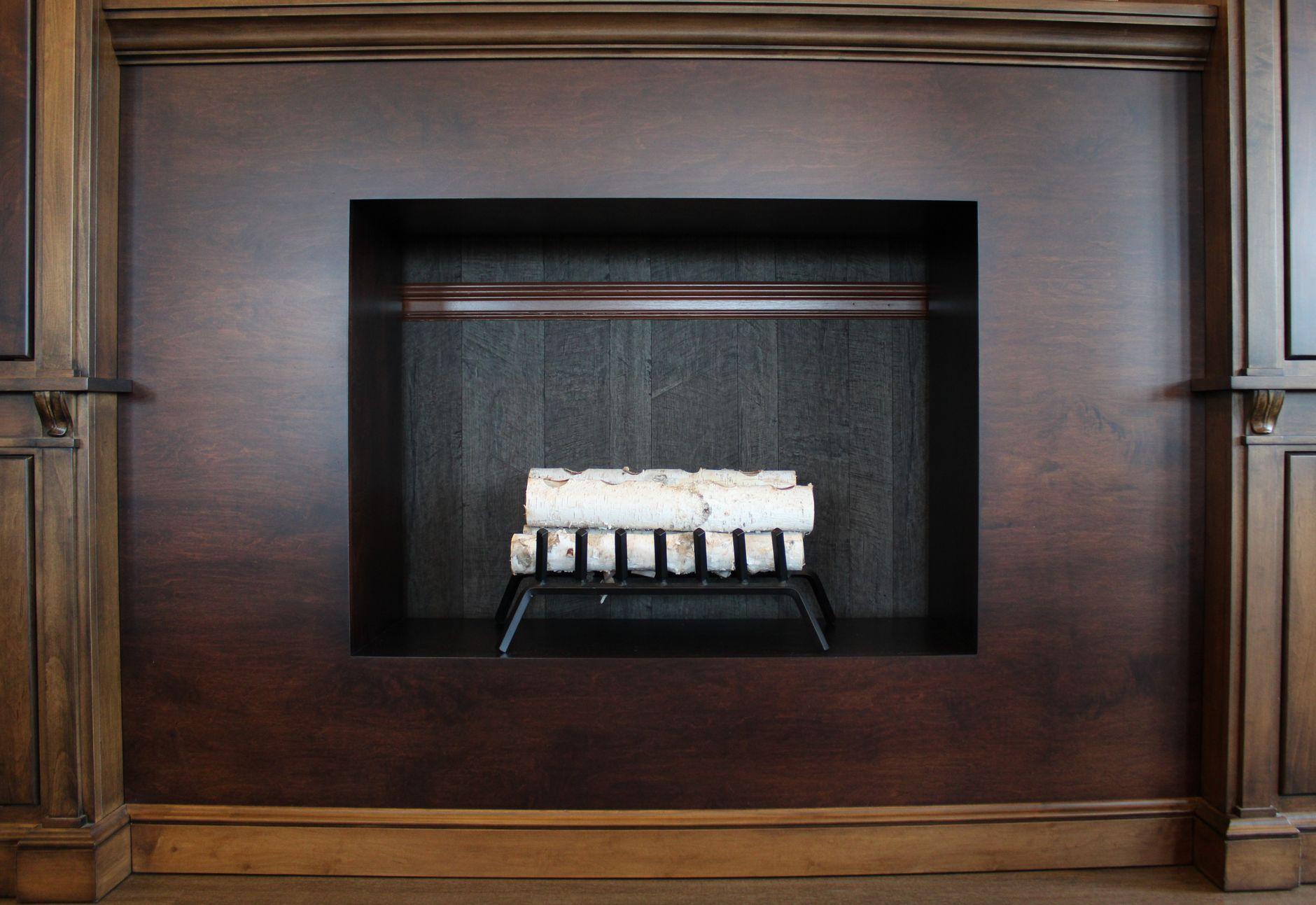
For a lot of new owners, the chimney introduces itself during the first proper storm. A tan ring appears on the ceiling near the fireplace. The paint over the mantel starts to blister. Someone notices a damp, mineral smell in the living room, or water ticking onto the damper. Nobody mentioned any of this when you bought the house, because in a dry summer there was nothing to see.
This post explains where that water usually comes from, what Ferris Chimney Care charges to find and stop it in Buena Park, and which leaks need a bigger fix than a standard repair.
Five ways water gets into a chimney
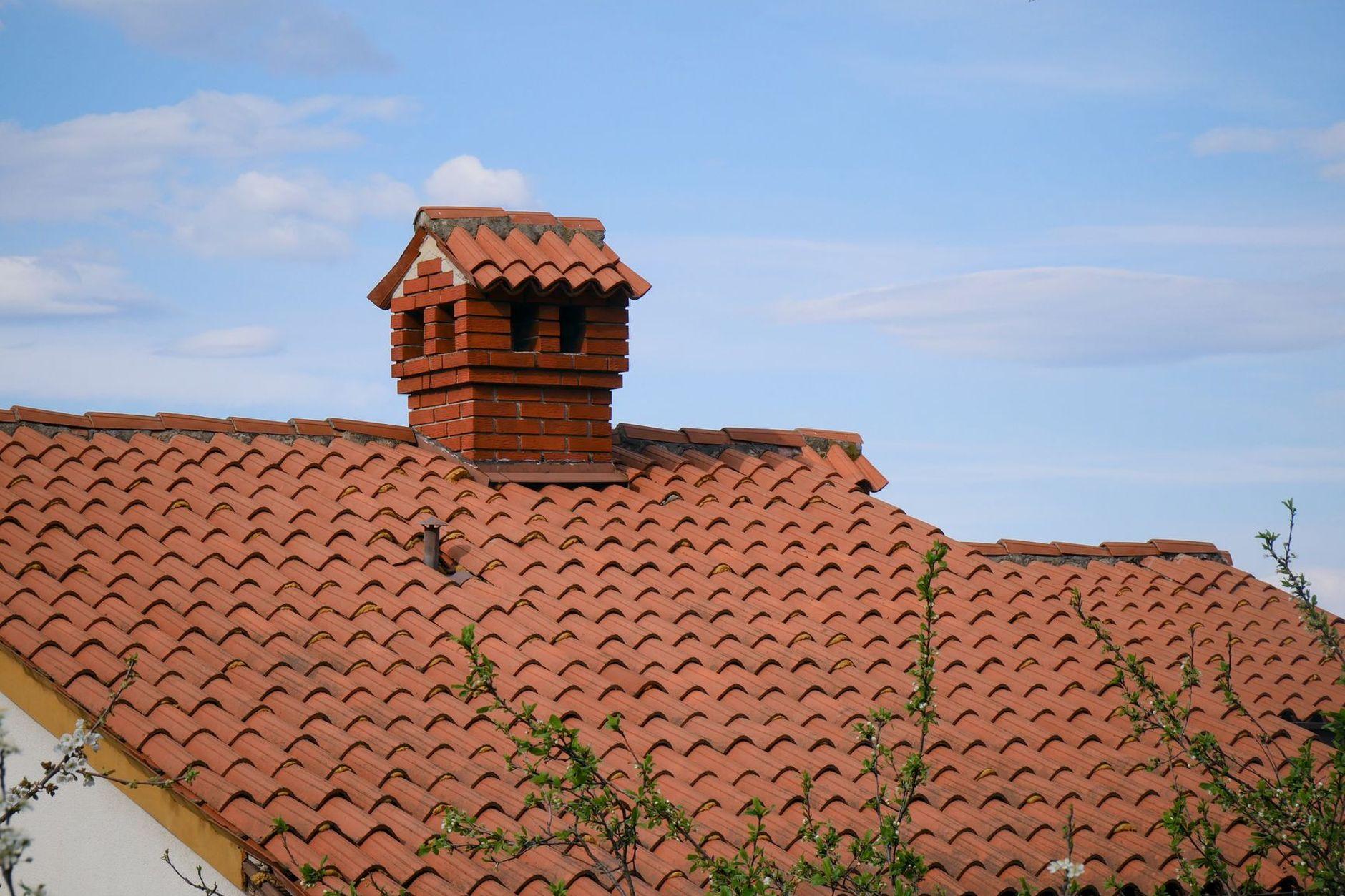
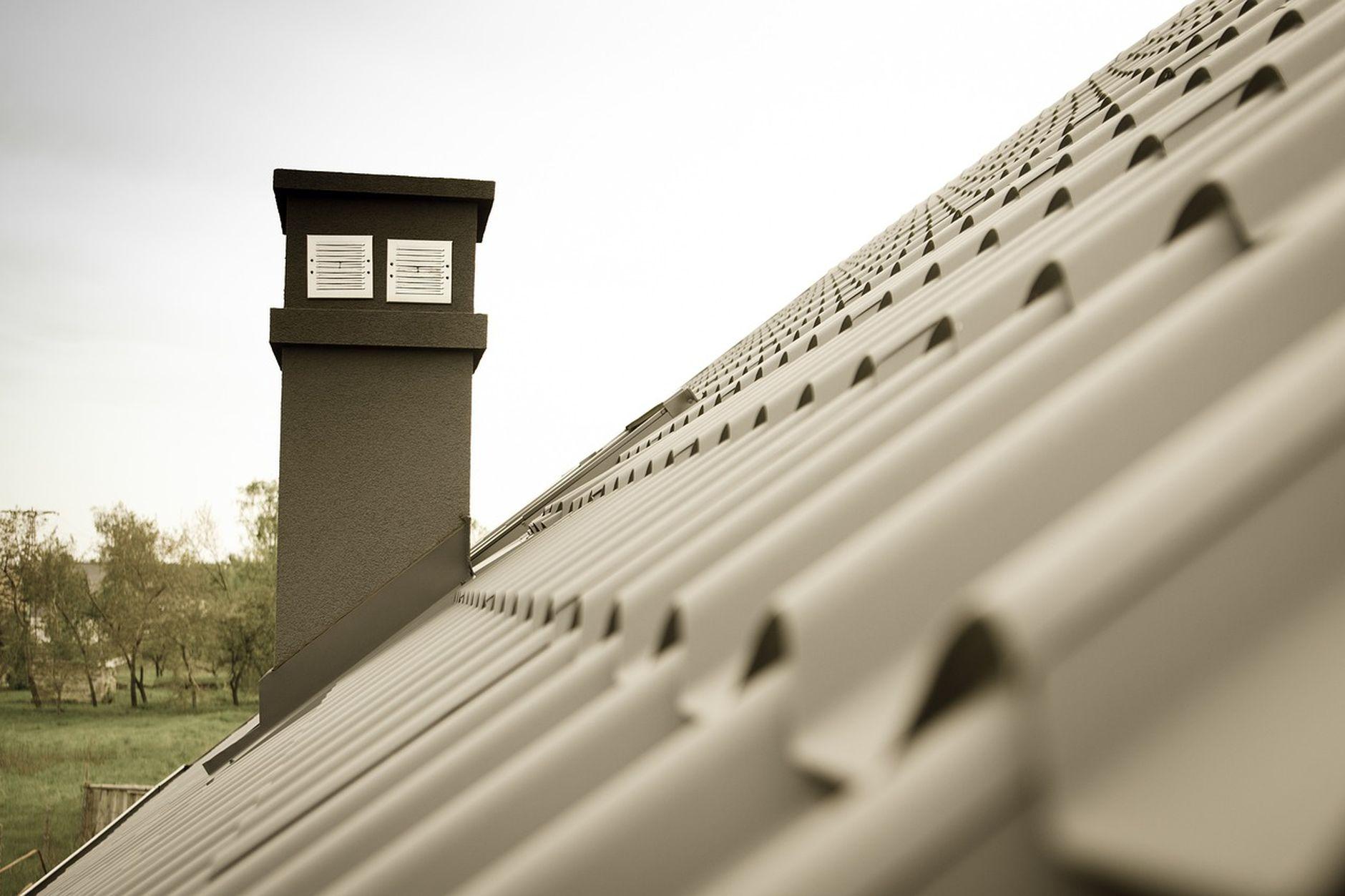
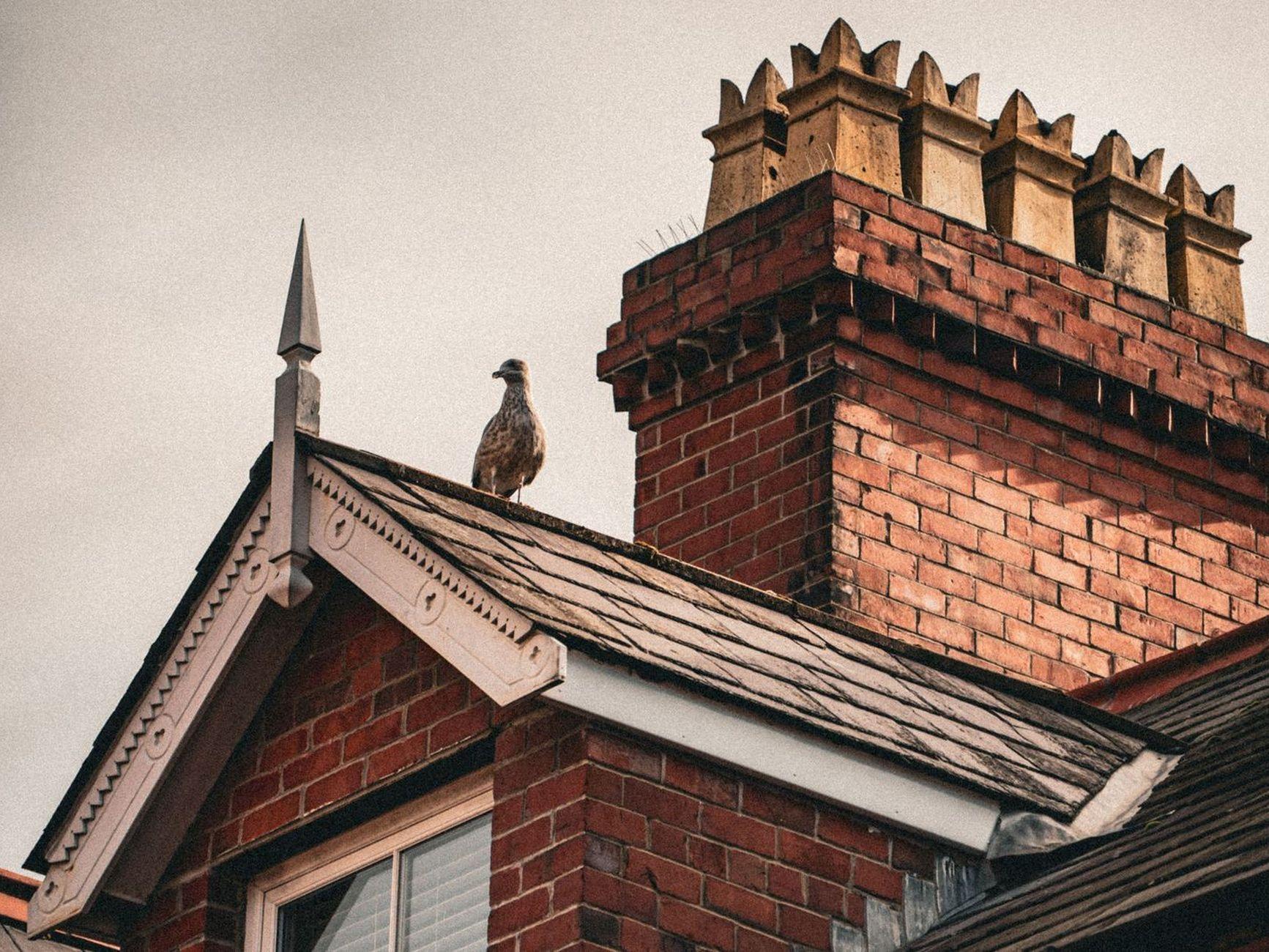
A chimney is a tall stack of brick and mortar poking through your roof, with an open hole at the top. That gives rain several ways in. In plain terms:
- Through the top opening. If the flue (the smoke passage) has no cap, rain lands straight in it and runs down to the damper.
- Through the crown. The crown is the cement slab on top of the brick. Sun and cold open small cracks in it, and water follows them into the brick below.
- Through the brick and mortar. Brick soaks up water like a hard sponge, and worn mortar joints let even more through.
- Along the flashing. Flashing is the strips of metal that seal the gap where the chimney meets the roof. When it lifts, rusts or was never sealed well, water slips behind it and travels inside along the rafters.
- Behind a wide chimney. On the uphill side of a broad stack, rain and leaves pile up with nowhere to go, and that pooled water eventually finds the seam.
Most chimneys that leak have more than one of these going at once, which is why a careful trace matters more than a quick patch.
What our leak repair covers, and the price
Our chimney leak repair runs from $555 to $3,350. The low end fits a single clear entry point, such as one run of loose flashing on a short chimney. The high end fits a chimney where several sources combine, the flashing has to come off and go back on all the way around, and the brick needs work before the new metal can seal against it.
Every leak job starts with finding the source. We look at the chimney from the roof and from inside the attic, compare the water marks with the weather they followed, and test the likely spots with a hose while someone stays indoors to watch the stain. When we have the answer, you get a written description of where the water enters and the fix we suggest, before any work begins.
Other fixes a leak can lead to
Some leaks are cured by a part we fit alongside the repair. These carry their own published prices:
| What we fit | What it stops | Our price |
|---|---|---|
| Peaked diverter on the uphill side of the stack | Water and leaves pooling behind a wide chimney | $445 to $1,005 |
| That diverter with all new metal around the base | Pooling plus flashing that has given out | $670 to $1,650 |
A new stainless cap with mesh sides stops rain falling straight down the flue. It is quoted on site.
The diverter is called a cricket. It is a small sloped roof built behind the chimney so water splits and runs off both sides instead of sitting against the brick.
A cracked crown, failing mortar joints or brick that soaks up water each have no fixed figure, because their size changes everything. When one of those is part of the problem, we measure it and give you a written price for it on its own line.
What decides your price
Four things drive the number: how many entry points the water is using, how much flashing has to be replaced, how tall the chimney is and how steep the roof around it, and whether the brick needs repair before anything new can seal against it. When you fill in the form, tell us where the stain shows up inside, whether it appears after every rain or only heavy ones, and whether the roof is tile or shingle. We call back to set a visit to trace it.
Ask us to trace your chimney leak
Why waiting costs more
A slow chimney leak rarely stays slow. Water that gets into brick expands and contracts with temperature and breaks the face off the brick bit by bit. Water running along rafters soaks into wood and insulation that you cannot see from the room. And a damper that sits wet all winter rusts until it will not open. A leak traced in its first season is usually one of the smaller jobs on the table above. The same leak three winters later often is not.
Should you also book a sweep or inspection?
If the chimney has leaked into the flue, moisture and soot can mix into a sticky, sour-smelling paste on the walls. A chimney sweep clears it, and a camera inspection shows whether water has cracked the clay liner. If you are new to the house and the fireplace has never been looked at, our post on first inspection costs explains which level fits. For the repair itself, the chimney leak repair page has the full scope.
We work in Buena Park, La Mirada, Fullerton and Tustin. The fastest way to get on the schedule before the next storm is our contact page.
See These Parts on Your Own Chimney
Ferris Chimney Care can point out the damper, flue and cap in your house as we work, using the same everyday words. Visits start from Buena Park and reach Fullerton, La Mirada, Tustin and the towns around them.